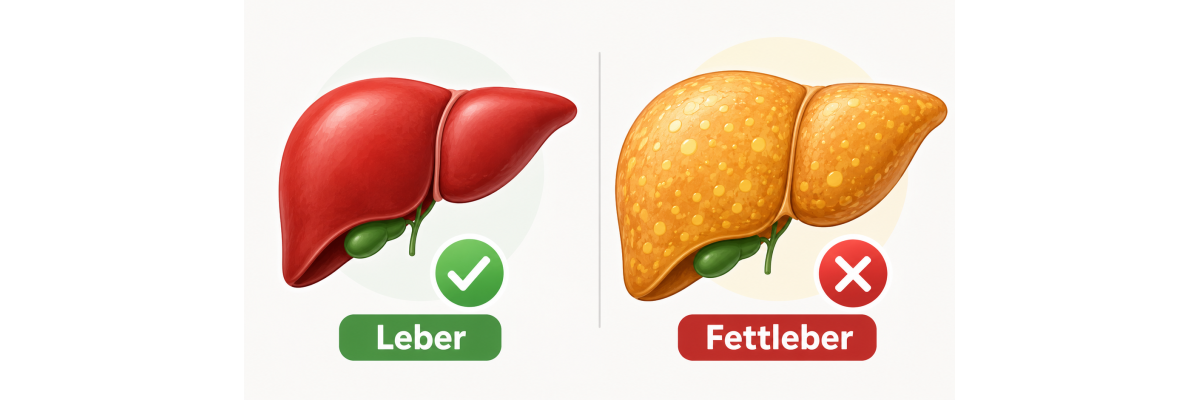
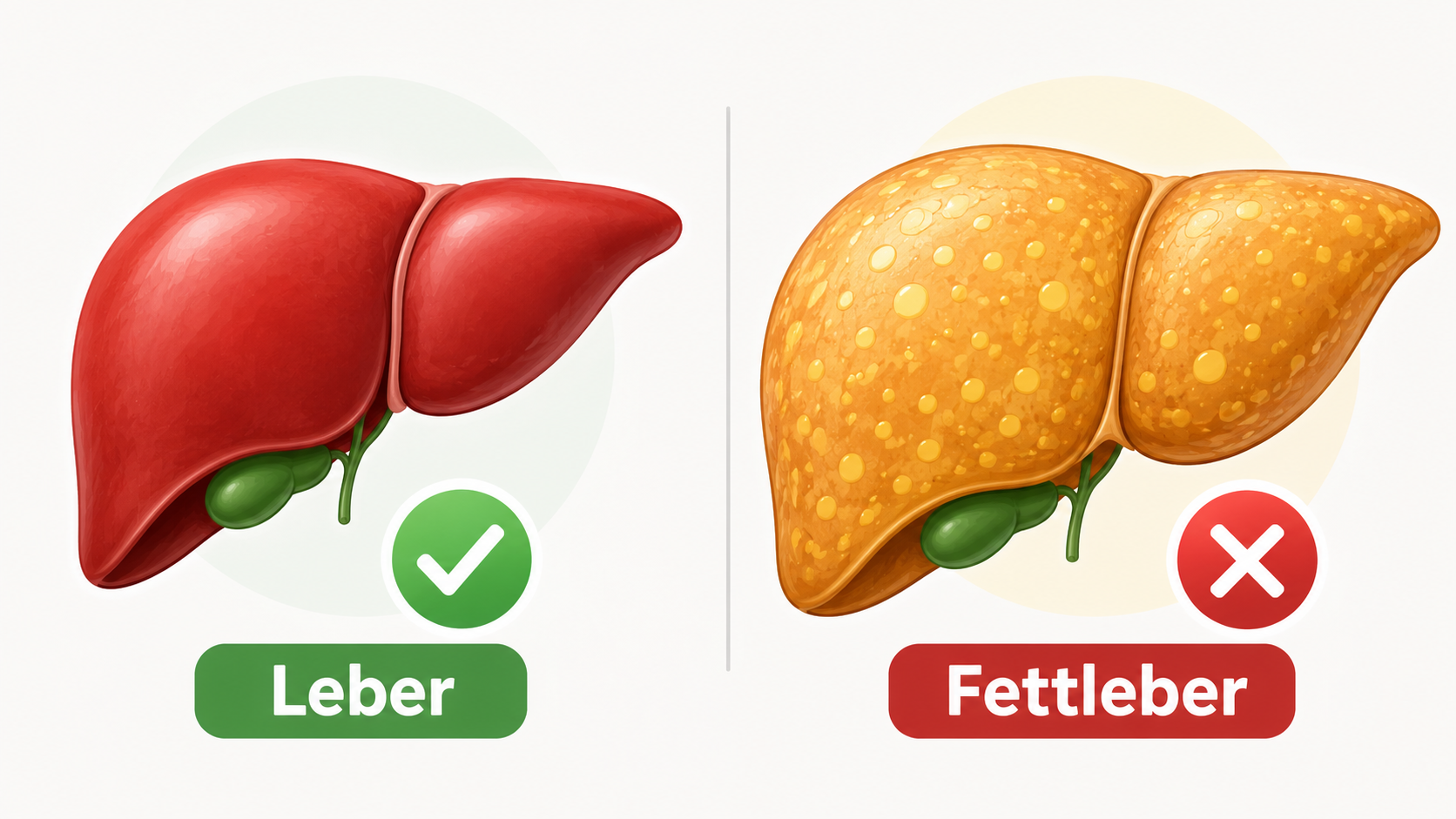
A new epidemic in Germany — and in many other countries — is fatty liver disease.
Around one quarter of the population is already affected by this serious condition, including children and adolescents. One of the main culprits is fruit sugar: fructose.
This fatty liver disease, known today as MASLD and previously as NAFLD, can lead to liver inflammation, liver hardening, heart failure, liver cirrhosis and liver cancer. It can be detected by ultrasound or blood tests.
Early symptoms include fatigue, exhaustion, difficulty concentrating, nausea and vomiting.
How does fatty liver develop?
It develops when the liver can no longer process the excess calories that are consumed and can no longer get rid of them, but instead stores them as fat.
Fructose must be processed by the liver.
And this is where one of the main risks in the modern diet lies.
Fructose is not only found predominantly in fruit, but also makes up around 50% of ordinary household sugar, also known as sucrose, and around 50% of honey. While other carbohydrates such as starch and glucose consist of directly usable glucose, ordinary sugar and honey contain around 50% fructose.
What can you do?
Cut down on sugar and alcohol. Get more exercise and eat fewer calories. Studies suggest that tocotrienols and phospholipids show promise.
In relation to the symptom of fatigue: one might even say that the widespread craving for sweet things is actually the brain seeking fuel (glucose) and cannot really be satisfied by ‘sugar’ (but can be by glucose, rice syrup, pasta, rice and starch).
To show how much fructose is contained in different foods, we have created our own analysis in which the fructose content from household sugar has already been included.
You can find the analysis on our new website:
https://fooditems.de/?preset=bf
With the new fooditems.de, you can also analyze a wide variety of foods and food combinations and search by nutrients.
One more tip: rice syrup can be used as a sweetener like sugar, but it contains no fructose. For self-sweetened foods, this may be a healthier alternative, especially for the liver.