Muscle loss in old age is a significant medical problem and building muscle is a much-cherished wish at any age.
To do this, you have to train your muscles, which is possible at any age. This test is about a substance that is important for muscle building - and which is produced less with age: Geranylgeraniol
Muscles need a very specific substance to build up, which has hardly been considered so far: Geranylgeraniol, or GG for short (pronounced Chi Chi).
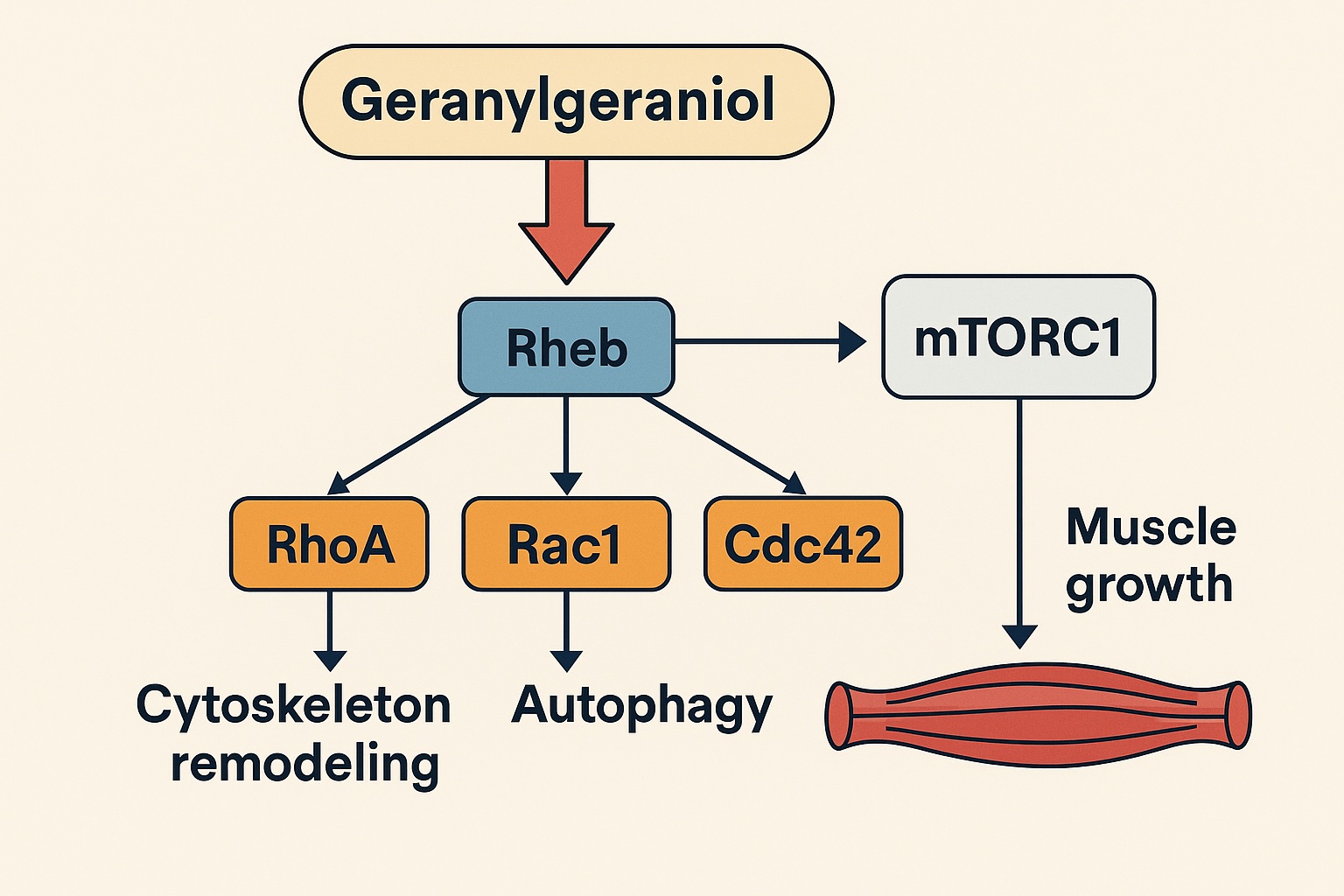
How exactly? GG is the basic substance for the growth factors Rhab, Rho/Rac, Rab and Rab7/RhoB. GG is therefore necessary for muscle growth.
|
The body can produce this substance, GG, itself, but this ability decreases with age.
Muscle building for athletes and sportspeople
To build muscles, you have to challenge them, train them. However, the formation of new muscles is a complicated process that is dependent on GG.
Initial experience reports confirm what has already been proven in animal studies: Additional GG promotes muscle growth Muscle strength is increased. In this sense, GG is certainly useful for athletes, sportsmen and bodybuilders. Or even if you want more muscle mass for physiological reasons (e.g. for general fitness, to lose weight and to combat insulin resistance).
Avoid muscle atrophy (sarcopenia) for people aged 40 and over
Sarcopenia is the loss of muscle with age. The process begins slowly at around the age of 30 and accelerates from around the age of 40 to, for example, 1%-3% per year. It is the reason for frequent falls and why older people often find it difficult to fulfil everyday tasks or climb stairs.
What can you do about it? Exercise, eat enough protein and GG.
One explanation for sarcopenia is the reduced synthesis of GG (geranylgeraniol). This means that fewer of the above-mentioned growth factors are available.
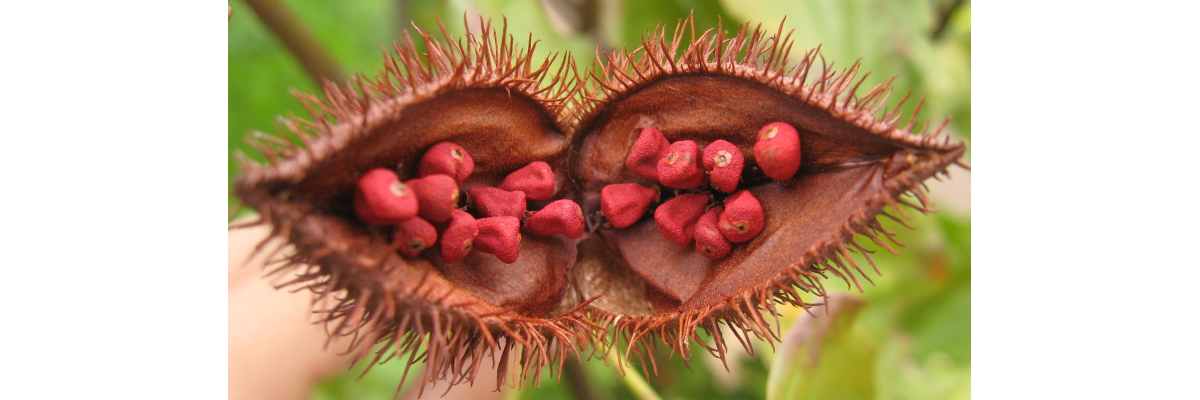
Fortunately, plant extracts containing GG have been available (for a few years now).
However, muscles also need a "fuel" to provide energy. This fuel is called ATP and is dependent on B vitamins, iron, copper, magnesium and CoQ10 (ubiquinol). CoQ10 in turn is dependent on GG. (This is why) CoQ10 and therefore the available energy also decreases significantly with age (see here).
GG is therefore doubly effective, it builds the motor (muscles) and the fuel (CoQ10).
Muscle pain (myopathy, SAMS) for people taking colesterol lowering drugs
Cholesterol-lowering drugs (statins) are prescribed by the millions and they not only block cholesterol, but also GG and its many successor products. Those who take statins practically make themselves 30 years older as far as muscle function is concerned.
About 25% of all statin patients have muscular problems, such as pain. These are called myopathy or SAMS (Statin Associated Muscle Symtoms). The same applies to statin patients as described for sarcopenia (except that exercise will not help).
At present, attempts are being made to solve the energy problem with CoQ10 (which works better with GG). The administration of GG to strengthen the muscles themselves is currently being tested in clinical trials.
Incidentally, the same applies to bisphosphonates - osteoporosis drugs that are mainly taken by women in the menopause - as to statins (see here).
You will find an explanation of the terms cytoskeletal dynamics, myoblast fusion and vesicle secretion here (in German)